Union Industrial Center


What are the differences between upholstery and reupholstery?
The pros on TV make reupholstering look simple. That is not the case. While beginners can handle some small re-upholstery projects, you run the risk of seriously damaging a piece of furniture for more complicated jobs. Have you ever engaged in upholstery services in Singapore and yet are not clear about the different terms? Is there a distinction to be made between upholstery and re-upholstery?
Yes, there is! Here’s what I know so far:
Upholstery VS re-upholstery
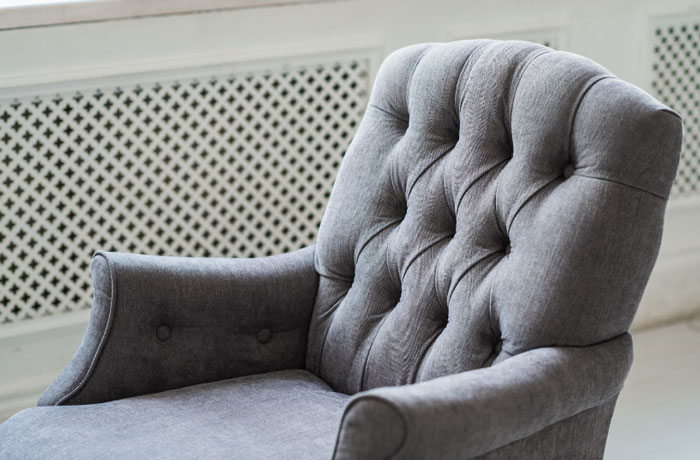
It’s critical to understand the distinction between upholstery and reupholstering. Upholstery is simply the application of new fabric over old fabric. “This is a way to save money,” says Diane Montgomery, owner of Nashville’s Coventry Lane Upholstery. “We find a lot of people who upholster, and as a result, when I reupholster, I have to take all those layers off.” When you reupholster an item, you are completely replacing the fabric. You could also add new foam or other inserts.
What steps are involved in the upholstery of furniture?
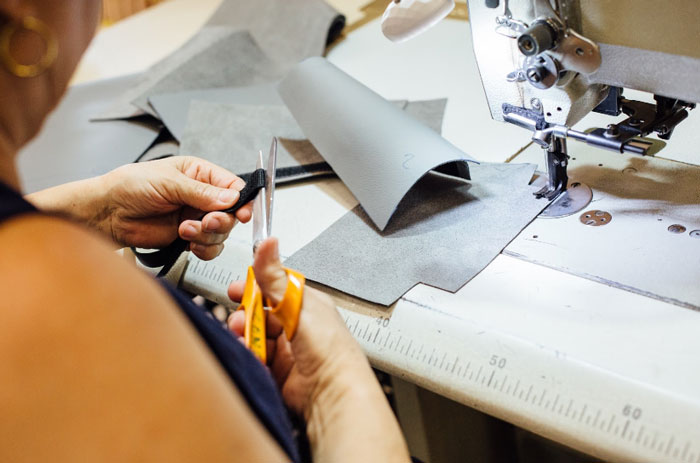
When upholsterers use the term “re-cover,” they usually mean removing the top cover of fabric.
This decision gets made because the stuffing and padding are in excellent condition, but the cover is a little grubby, torn, or does not match your new curtains! It is removed in sections by carefully removing the staples or tacks to reveal the paddings beneath.
Most upholsterers will then add a layer of white felt and polyester – soft fluffy padding similar to that found inside a duvet or sleeping bag. If the original padding has a foam covering, the felt layer is usually not required.
There are also fire-retardant barrier cloths that get used.
Be wary of less ethical upholstery companies in Singapore that will cover the existing fabric on your piece of furniture to save time. If they suggest this, my best advice is to ignore them. Because all this process accomplishes is to save the time of a slacker upholsterer.
It’s a terrible practice that can only lead to a sloppy job. By covering what’s already there – going over the old cover – you’re adding bulk. The furniture’s lines can become severely distorted. Furthermore, if there are any issues under it, such as a broken frame or perished foam, you will not be able to see them.
What goes into reupholstering your furniture?
It refers to removing all of the fabric, stuffing, and springs from your piece of furniture. The frame is all that’s left. You can then begin rebuilding with new materials and the love and care it deserves.
The Most Common Reupholstering Misconception
Montgomery claims that most people make the mistake of believing it is simple. “There have been a lot of times when clients have brought me something they tried,” she says. Many reupholstering videos on YouTube feature experts who make the process appear simple. But if you’ve never done it before, it can end up being much more complicated than you anticipated.
When It’s Okay to Do It Yourself
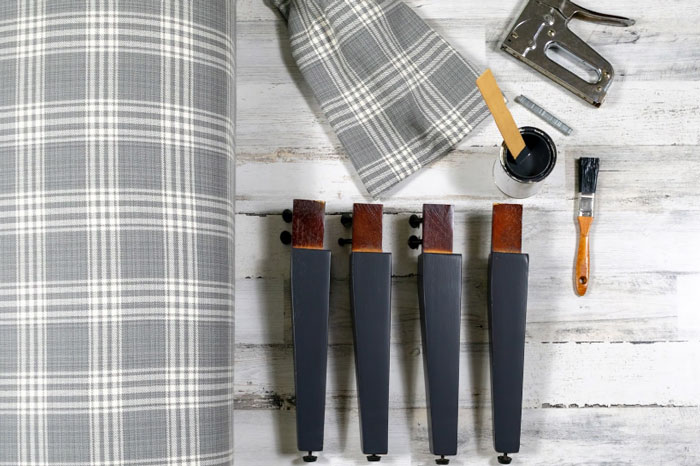
Basic “whack and tack” jobs, in which you pull the fabric around a surface wrapped in padding and staple it in place, are a great place to start, according to Jenna Pilant, owner of Homebird Upholstery in San Diego. Dining room chairs with drop seats are an easy reupholstering project for beginners. Montgomery explains that because most seats are square, what is required is figuring out how to fold the corners.
Antique furniture re-upholstery
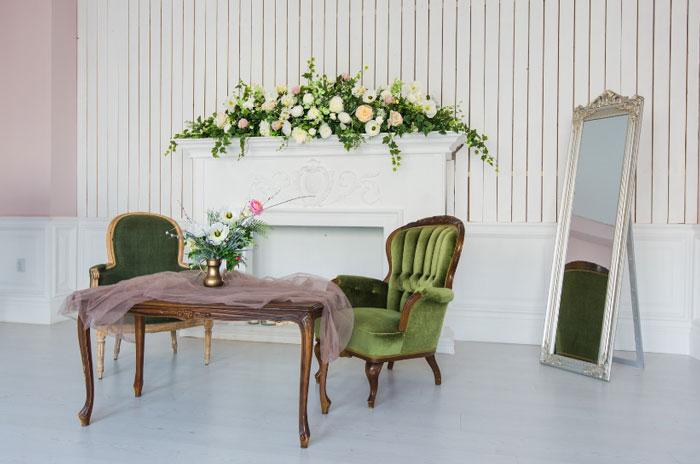
If I’m being honest, reupholstering traditional furniture is usually a dirty job. You may find yourself removing padding that has been in place for 100 years or more. It gets caked in grime and dust that has accumulated over the years.
Working on furniture that is over a century old, on the other hand, is one of the most rewarding aspects of this craft, in my opinion. Uncovering a piece of furniture, unravelling its history, imagining the story it can tell – it’s truly magical. You can truly become lost in moments.
“Stripping out” an antique piece of furniture must be done with caution because the frame is often rickety and in need of repair. After that, the process of rebuilding begins.
It entails applying new webbing, sewing in the springs, and then re-stuffing with horsehair: as well as a lot of stitching to create the lines and details of your furniture.
Reupholstering contemporary furniture
Because the cost of removing a modern piece of furniture to its frame can be high, it is less common. Unfortunately, much contemporary furniture gets designed to be a throwaway item rather than an heirloom.
And, before 1988, a lot of less expensive furniture was made with foams and fillings that were very volatile and emitted poisonous gases if they caught fire.
It is a very complex subject, but it is critical to understand what your furniture is made of and how safe it is. It often gets overlooked. Upholsterers usually recommend that these foams and filling be removed and replaced. But the final decision is up to the client.
Aside from the safety warning, a piece of modern furniture will go through the same re-upholstery process as a more traditional item. Each layer gets carefully removed to expose the frame. The next step depends on the seating style, but in general, the rebuilding process is as follows: springs, stuffing/padding, a layer of polyester, and finally, the fabric you’ve chosen.
So, what exactly is the distinction between upholstery and reupholstering furniture? In the most basic terms:
- When you upholster your furniture, you are essentially replacing the old fabric cover with a new one. It’s similar to getting new carpet or repainting your walls.
- When you reupholster your furniture, all the fabric, stuffing, and springs get removed. The frame gets rebuilt. It is more akin to remodelling your home’s walls with new brickwork, plaster, and paint.
I hope this was helpful. I hope that when you engage in sofa upholstery or furniture upholstery, you are now more aware of the different terms and can hire the right kind of service to suit your needs. Be sure to choose the right Singapore upholstery company as well!
Leave A Comment